Introduction: A Simple Habit with a Big Impact
It might seem harmless walking through your home in the same shoes you wore to the store, the garden, or even the doctor’s office. But research from the University of Arizona found that the soles of our shoes can carry hundreds of thousands of bacteria including E. coli, toxins, and outdoor debris, all of which gets tracked into our living spaces.
For many older adults, keeping a clean home plays an important role in everyday health. Small habits inside the home can make a meaningful difference in comfort and well-being.
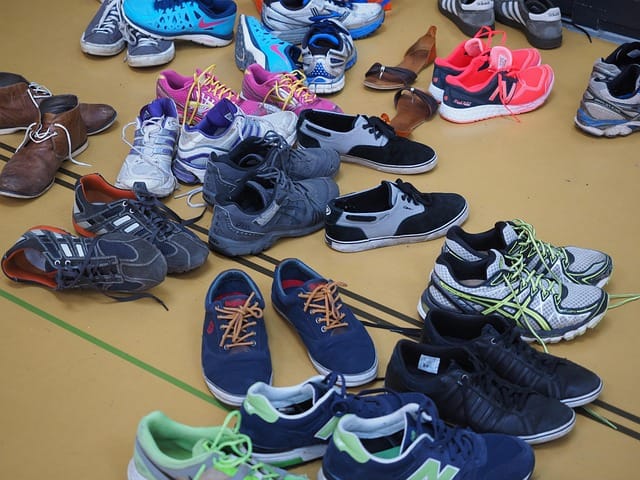
In our home, we adopted one simple rule: outdoor shoes stay by the door. It is a small habit, but it helps reduce the germs and grime we cannot always see.
You do not need special equipment or a complicated routine to make your home cleaner and healthier. Sometimes the best solutions are the simplest. Leaving shoes at the door is one of them.
Here are five surprising reasons to consider making your home a shoe-free zone.
1. They Carry Harmful Germs and Bacteria
Most of us don’t think about it, but the bottoms of our shoes go through a lot: public restrooms, sidewalks, parking lots, hospital lobbies. And unfortunately, they pick up more than just dirt along the way. Research has shown that shoes can carry bacteria like E. coli, which is linked to stomach bugs and digestive issues.
That’s why some doctors leave their shoes at the door as a daily habit. Dr. Saurabh Sethi, a gastroenterologist trained at Harvard and Stanford, said he made the switch after realizing how easily germs from hospitals could make their way into his home. And he’s not alone. Many health professionals do the same to protect their families.
If you or someone you love has a sensitive immune system, it’s worth thinking twice before stepping inside with your street shoes on.
2. They Track In Pesticides and Pollutants
Even if your shoes look clean, they’ve likely walked through places treated with weed killers, lawn fertilizers, or roadside chemicals. These substances don’t just stay outside; they stick to your soles and come right in with you.
Think about it: walking across a freshly sprayed lawn or a parking lot where cars have leaked oil means your shoes are collecting invisible pollutants. Once inside, those chemicals can end up on your floors, rugs, and even in the air you breathe.
And for seniors who spend more time at home, it’s an easy risk to overlook.
3. They Leave Behind What You Can’t See
Your floors may look spotless, but that doesn’t mean they’re clean. When you wear shoes indoors, you’re not just bringing in germs, you’re giving them a place to settle. Over time, bacteria, pollutants, and tiny particles from outside build up in rugs, carpets, and cracks in your flooring.
And the longer they stick around, the harder they are to get rid of. For older adults who spend more time at home, or host grandkids who play on the floor, that invisible buildup can become a bigger concern than most people realize.
A healthy-looking home isn’t always as clean as it seems.
4. They Can Bring Harmful Toxins Into Your Home
It’s not just dirt and germs hitching a ride on your shoes, sometimes it’s things you can’t see at all. Experts have found that shoes can carry tiny amounts of heavy metals like lead and other pollutants, especially if you’ve walked through older neighborhoods, construction areas, or near busy roads.
U.S. researchers have discovered that lead from outdoor soil often ends up inside our homes settling into everyday dust that builds up on floors, in corners, and under furniture. Even in clean homes, this dust can stick around and may affect our health over time, with studies linking it to respiratory problems, high blood pressure, and even heart disease.
We may not always notice it, but the air and dust in our homes can tell a bigger story than we think.
5. They Bring In Animal Waste and Outdoor Messes
Let’s face it. Sidewalks, parking lots, and grassy areas aren’t as clean as we’d like to think. Even on a quick trip to the store, your shoes might pass over bird droppings, animal waste, food scraps, and motor oil. And chances are, you won’t even notice.
I’ve personally seen people walking through grocery store parking lots in house slippers and pajama bottoms, completely unaware they’re stepping through puddles of waste and debris. And once they head home, all of that gets tracked inside onto kitchen floors, rugs, and even the spots where little ones might crawl or play.
It’s not about being overly cautious, it’s about being aware of what your shoes go through before they cross the threshold.

What You Can Do Instead
Creating a cleaner, healthier home doesn’t require big changes—just a few thoughtful habits. If you’re ready to keep outdoor messes and germs from sneaking inside, here are some simple ways to make it easier:
- Start with a “no shoes” policy: Whether it’s just for you or your entire household, decide where the shoes stop. And let guests know in a kind, confident way.
- Set up a designated spot by the door: A small bench, mat, or shoe rack makes it easy to slip off your shoes without hassle.
- Offer indoor alternatives: Keep a few cozy slippers, gripper socks, or even washable house shoes available for yourself and your guests.
- Use boot covers for service visits: When contractors like plumbers or HVAC techs come in, kindly ask them to wear disposable boot covers. Most are happy to oblige.
- Lead by example: The more consistently you stick with the habit, the more natural it becomes for others to follow your lead.
These aren’t about being overly picky, they’re about being proactive. Small changes can make a big difference, especially when it comes to protecting the spaces we care about most.
Let’s Take the Next Step
Our homes should be places of comfort, not quiet contamination. And while we can’t control everything we’re exposed to out in the world, we can take small, meaningful steps to reduce what comes inside with us.
So the next time you walk through the front door, take a moment to pause. Grab a baby wipe or damp cloth, wipe the bottom of your shoes and just notice what comes off. Sometimes seeing (or smelling!) the evidence firsthand is more convincing than anything else.
Then ask yourself: Do I really want that on my floors?
It might just be the nudge you need to start leaving your shoes at the threshold.