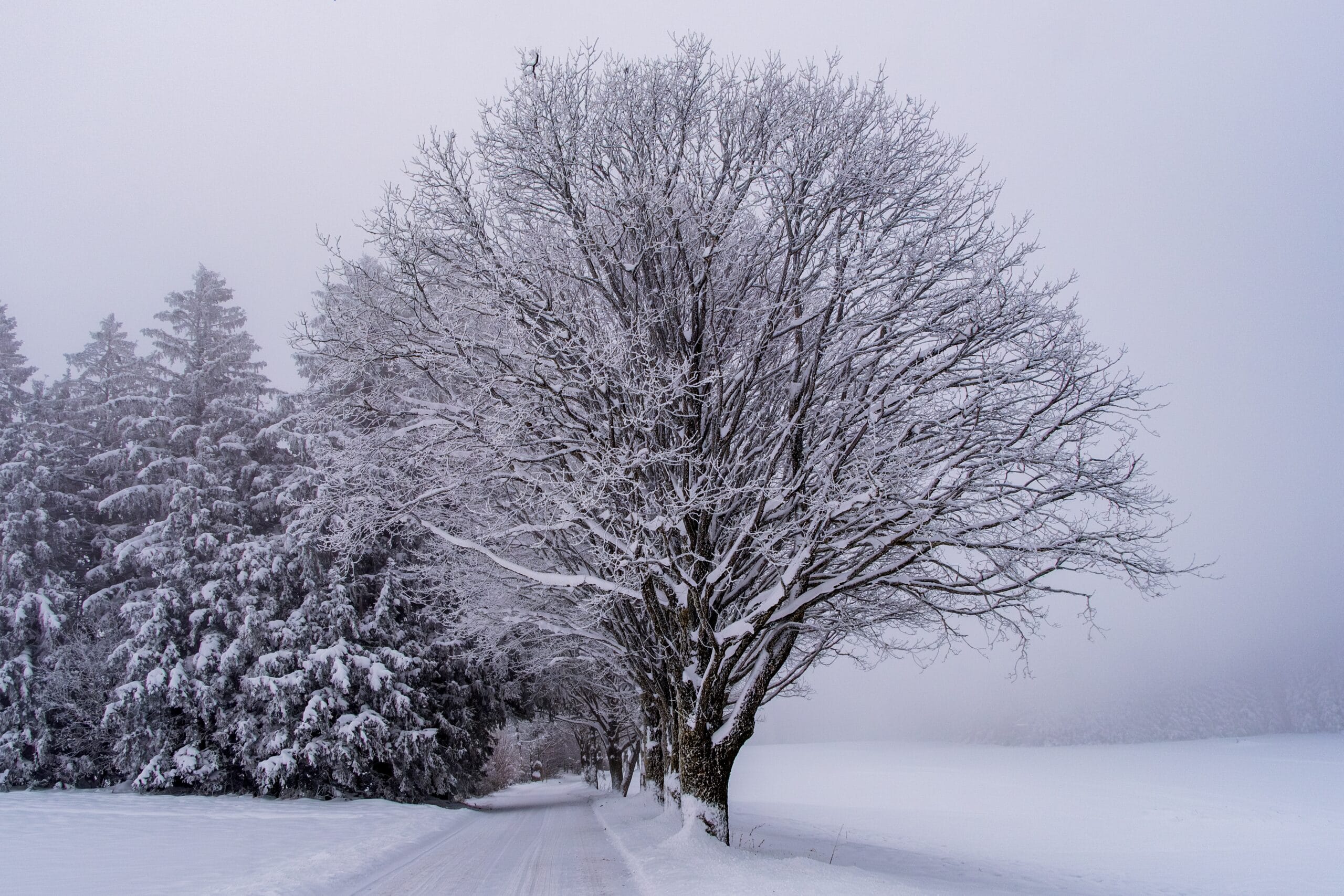
A practical, senior-friendly guide to reducing hidden winter dangers and staying safe, steady, and confident all season long.
Introduction
Winter has a way of slowing things down. The days grow shorter, temperatures drop, and everyday routines that felt easy in warmer months can suddenly take a little more effort. For many older adults, winter is not something to fear, but it is a season that calls for a little extra care and planning.
With a few thoughtful precautions, winter can remain a comfortable and enjoyable time of year. The goal is not to change your lifestyle, but simply to make small adjustments that protect your health, safety, and independence at home.
When Winter Problems Escalate Quickly
A neighbor once shared a story about discovering a burst pipe during a freezing winter morning. Water had begun pooling near the meter and quickly turned into a slick patch of ice.
She stepped outside to deal with the leak and slipped on the frozen sidewalk. Situations like this happen more often than we realize. Winter weather can turn small household issues into safety risks very quickly.
Winter conditions can change quickly, which is why a few simple precautions can make a big difference in keeping your home safe and comfortable.
Keeping Your Home Warm and Safe
A warm home is not just about comfort. It plays an important role in overall health. Cold indoor temperatures can worsen joint pain, increase blood pressure, and raise the risk of respiratory illness.
Make sure your primary heating system is working well before cold weather sets in. If you use space heaters, place them on a flat surface away from curtains, furniture, and bedding, and turn them off before leaving the room or going to sleep.
It is also helpful to set your thermostat to a steady temperature that keeps rooms comfortable throughout the day and night. If heating costs are a concern, local energy assistance programs or utility company budget plans may be available.
Do not forget to check smoke detectors and carbon monoxide alarms at the start of the season.
Preventing Slips and Falls Indoors and Outside
Falls are one of the most common causes of injury for older adults, and winter conditions can increase that risk.
Inside the home, keep walkways clear of clutter and secure loose rugs so they do not slide.
Good lighting is especially important during the darker winter afternoons and evenings.
Outside, steps and sidewalks require extra attention. Wear shoes or boots with good traction when walking outdoors, and take your time on icy or wet surfaces. A sturdy handrail and proper outdoor lighting can also make a big difference.
Staying on Track With Medical Appointments
Cold weather and shorter days can make it tempting to postpone doctor visits, but winter is not the time to skip routine care.
Planning ahead can help. Check the weather forecast before appointments and schedule transportation in advance if needed. Many healthcare providers also offer telehealth visits, which can be a convenient option when travel is difficult.
Staying consistent with medical appointments helps ensure that small health concerns are addressed before they become bigger problems.
Eating Well to Support Health and Immunity
Good nutrition plays a key role in staying healthy during winter months. Focus on warm, nourishing meals that include vegetables, lean proteins, whole grains, and healthy fats.
Staying hydrated is just as important in winter as it is during summer. Even though we may not feel as thirsty in colder weather, the body still needs regular fluids to function well.
Staying Active and Mobile Indoors
Regular movement supports strength, balance, flexibility, and circulation. When weather limits outdoor activity, simple indoor exercises can help keep the body moving.
Gentle stretching, chair exercises, or short walks inside the home can maintain mobility and reduce stiffness. Even small daily routines can make a meaningful difference in maintaining independence.
Supporting Mental and Emotional Well‑Being
Winter can sometimes feel isolating, especially when weather conditions limit travel or social activities.
Staying connected with others is important for emotional health. Make time to check in regularly with friends, family members, or neighbors. Maintaining familiar routines and hobbies can also help bring a sense of comfort and normalcy during the winter months.
Preparing for Winter Emergencies
Severe winter weather occasionally causes power outages or travel disruptions. Preparing ahead of time can help reduce stress if an emergency occurs.
Keep a basic emergency kit at home with flashlights, extra batteries, bottled water, shelf‑stable food, blankets, and a list of important phone numbers. Having these supplies available provides peace of mind during unexpected situations.
A Season of Care and Confidence
With a few thoughtful precautions, winter can remain a safe and comfortable season. Small steps such as keeping your home warm, preventing falls, staying connected, and maintaining healthy routines can protect your well‑being throughout the colder months.
Winter does not have to limit independence. With a little preparation, it can simply become another season to enjoy safely and confidently.