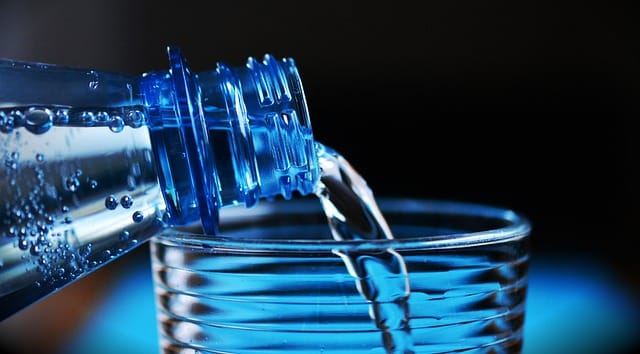
Beat the heat with hydration tips, cool-down strategies, and signs to watch for because your health matters every season.
Why Summer Heat Hits Seniors Harder
Summer can be a beautiful time of year: longer days, fresh air, and sunshine. But for older adults, rising temperatures also bring real health risks. As we age, our bodies become less efficient at regulating heat. That means it’s easier to become overheated and harder to recover once it happens.
You might not feel thirst as strongly as you once did. You may sweat less or take medications that affect how your body responds to heat. All of these factors increase the risk of dehydration, heat exhaustion, and heat stroke.
The good news? With a few simple habits, summer can still be a season of enjoyment, connection, and well-being.
Hydration Is Power: Drink More Than You Think
As we age, our bodies don’t always send thirst signals as clearly as they once did. That means many older adults become dehydrated before they even realize something is wrong.
Take my father, for example. He loves working in the yard, even in the heat. He sweats heavily, but he’d rarely stop to drink water unless someone brought it to him. I keep a close eye, making sure he takes breaks and sips water often. Without that support, he’d push through, not realizing how quickly heat and dehydration can take a toll.
Even if you’re spending most of your time indoors, staying hydrated is essential. Your energy, focus, balance, and even heart health depend on it.
Simple Shifts That Make a Difference:
- Hydration includes not only water but soups, fruit, and tea help too.
- Keep your water nearby where you’ll see it.
- Caffeine and alcohol can sneakily dehydrate you, so cut back when it’s hot.
- Light flavors like citrus or herbs can make drinking water more pleasant.

Keep Your Space (and Body) Cool
You might not notice it at first but by late afternoon, the room feels heavier. Still air. Warm light. Maybe you’ve thought, “It’s not that bad,” or opened a window hoping for a breeze. But when the temperature rises, even mild discomfort can strain your body in ways that aren’t easy to feel until it’s too late.
When the temperature climbs, staying cool is about both comfort and safety. Seniors are more vulnerable to heat-related illnesses because the body’s natural ability to regulate temperature weakens over time. But with a few adjustments, your home and habits can work in your favor.
Air conditioning is the most effective way to stay cool, but it’s not the only one. Fans, cool showers, and keeping curtains drawn during the hottest part of the day can help lower the temperature inside. Dressing in light-colored, breathable fabrics and avoiding heavy meals also eases the body’s burden.
And if you love the outdoors, time your activities with care. Morning and evening hours are safer options for yard work, walks, or errands. The heat tends to peak between 10 a.m. and 4 p.m. so use that window to rest, hydrate, or enjoy the shade.
Small Changes, Big Impact:
- Use fans strategically to circulate air, especially in rooms that retain heat.
- Keep a cool washcloth or spritz bottle nearby for quick relief.
- Spend time in air-conditioned spaces like libraries or community centers when needed.
- Close blinds in sun-facing rooms by 10 a.m.
- Take a short, cool shower in the afternoon even if you don’t feel “too hot”
You don’t have to wait until you feel uncomfortable to take action. Staying cool is more than a comfort: it’s a choice to protect your energy and wellbeing on your terms.

Know the Signs—and Speak Up Early
Heat exhaustion and heat stroke can come on quickly and the signs aren’t always obvious at first. That’s why it’s so important to know what to look for and to take action early, rather than trying to “push through.”
According to the Centers for Disease Control and Prevention (CDC), more than 1,200 people in the U.S. die from extreme heat every year, and adults over age 65 make up the largest share of those fatalities.
Warning Signs of Heat Exhaustion for Seniors:
If you spot any of these signs whether in yourself or someone you care about, don’t wait.
- Dizziness or fainting
- Muscle cramps (especially in the legs or stomach)
- Heavy sweating, rapid breathing, or nausea
- Skin that’s hot but dry to the touch (a sign of heat stroke)
- Confusion, fast heartbeat, or extreme fatigue
Move to a cool place, sip water or a sports drink, and contact someone you trust. Checking in early is smart—not weak. And if the feelings don’t improve quickly, seek medical help right away.
And remember: asking for help is a sign of wisdom. Tell a family member, neighbor, or caregiver if you feel unwell. Set reminders to check in with friends. Let others know your plans if you’re spending time outdoors.
Let Safety Be the Priority:
- Call for help if you’re unsure about what you’re feeling; it’s better to be safe than sorry.
- Talk to your doctor about how your medications affect heat tolerance.
- Create a check-in routine with loved ones during heat waves.
A Season for Self-Kindness
Summer should be a season of enjoyment, not risk. By staying hydrated, keeping cool, and recognizing the warning signs of heat illness, you can continue enjoying the sunshine while protecting your health.
Take a moment today to check your home cooling plan, fill a water bottle, and share these safety tips with a friend, neighbor, or family member. A simple conversation could help someone avoid a dangerous heat-related illness this summer.
P.S. Know someone who might need a reminder to take it easy this summer? Share this post. A small nudge can go a long way.