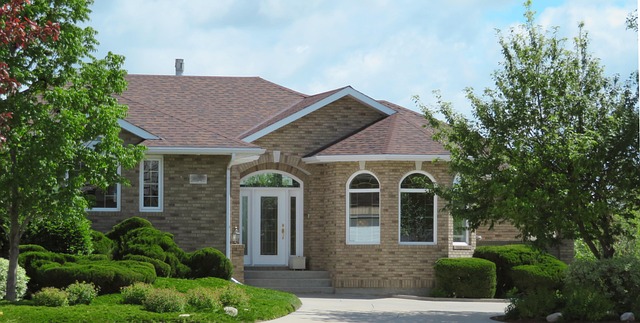
Many homeowners expect housing costs to drop in retirement. Here’s why that doesn’t always happen.
Owning a home is something many people work toward for years. After decades of mortgage payments, it’s easy to assume that housing costs will drop once the mortgage balance becomes smaller or disappears altogether.
You may be looking forward to that milestone and the freedom that comes with it. Perhaps you’ve imagined having a little more room in the budget for travel, hobbies, family activities, or simply greater peace of mind. It can be frustrating to discover that some housing expenses continue to rise even as the mortgage balance gets smaller.
The reality is that a mortgage is only one part of the cost of owning a home. Property taxes, homeowners insurance, and maintenance expenses often continue long after the mortgage payment decreases. In some cases, these costs may even increase over time.
If you’ve ever wondered why your housing costs still feel high despite years of paying down your mortgage, you’re not alone. In the sections that follow, we’ll look at some of the most common reasons housing costs remain higher than expected and explore a few practical ways to prepare for them.
Property Taxes Continue to Rise
Many homeowners expect their housing costs to decrease as they pay down their mortgage. Unfortunately, property taxes often move in the opposite direction.
Even if you have lived in the same home for years, your property tax bill may change over time. Home values and local tax rates (which help fund services such as schools, roads, and emergency services) can affect how much you pay each year.
If you haven’t reviewed your property tax exemptions recently, it may be worth checking whether you qualify for any programs that could help reduce your tax burden. Planning for gradual increases can also make it easier to absorb these costs over time.
Homeowners Insurance Keeps Getting More Expensive
Many homeowners expect insurance costs to remain fairly stable from year to year. However, homeowners insurance premiums have increased significantly in many parts of the country.
Several factors can contribute to these rising costs, including inflation, higher construction costs, severe weather events, and increased claim activity. Even homeowners who have never filed a claim may see their premiums increase over time.
Reviewing your coverage annually and comparing rates periodically may help identify opportunities to manage costs while maintaining appropriate protection. Even small savings can make a difference over time.
Home Maintenance Doesn’t Stop
If you’ve owned a home for any length of time, you’ve probably experienced a repair that seemed to come out of nowhere. Whether it’s a leaking water heater, a broken appliance, or an air conditioner that stops working during the hottest part of the summer, home repairs rarely arrive at a convenient time.
Even well-maintained homes require ongoing upkeep. Roofs, HVAC systems, plumbing, and household appliances all have a limited lifespan, and repair or replacement costs can add up quickly.
While you can’t predict when a repair will happen, you can prepare for it. Setting aside even a small amount each month for future home repairs may help reduce financial stress when unexpected expenses arise.
In Conclusion
Paying off a mortgage is a significant financial milestone and an accomplishment worth celebrating. For many homeowners, it represents years of hard work, discipline, and commitment.
At the same time, a mortgage is only one part of the cost of owning a home. Property taxes, homeowners insurance, and maintenance expenses can continue long after the loan balance decreases, making it important to account for these costs as part of a long-term retirement budget.
Understanding what to expect can help you feel more prepared when these expenses arise and make it easier to plan for the years ahead. With a little preparation, you can continue to enjoy the benefits of homeownership with greater confidence throughout retirement.